Clinical characteristics, management approaches, and treatment outcomes of pediatric supracondylar humerus fractures: a descriptive study
Keywords:
Supracondylar Fracture, Humerus Fracture, Management, Treatment Outcome, Flynn’s CriteriaAbstract
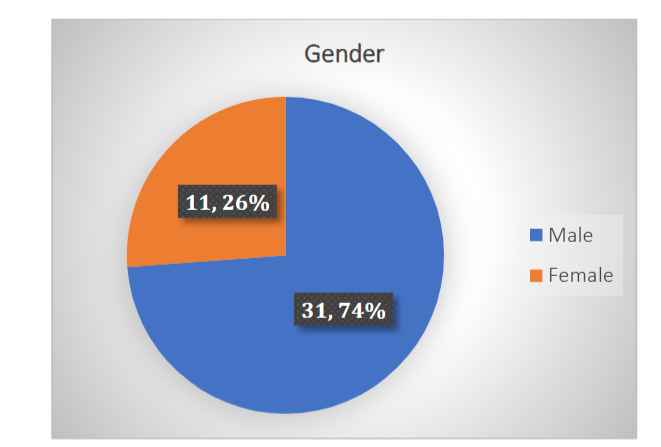
Supracondylar fractures of the humerus are common among children and can be managed using various treatment methods depending on fracture type. A prospective cross-sectional observational study was conducted over six months at a selected medical hospital. Patients meeting the inclusion and exclusion criteria were enrolled. Data were collected using a pretested semi-structured questionnaire after obtaining informed consent from legal guardians. Confidentiality was maintained, and participants could withdraw at any time. Data were analyzed using SPSS version 25.0. The study included patients aged 4–12 years, with a mean (± SD) age of 7.6 ± 2.2 years. Most patients were male (31, 73.8%), and fractures were primarily caused by falls (27, 64.3%). A significant proportion (30, 71.4%) attended the hospital on the day of injury. Most fractures were non-rotational (34, 81%) and managed with closed reduction and percutaneous pinning (37, 88.1%). The majority of patients (31, 73.8%) achieved excellent functional outcomes. Overall, supracondylar fractures are common in male Muslim children, usually resulting from falls and less frequently from RTA. Most cases are non-rotational and successfully treated with closed reduction and percutaneous pinning, while a few require open reduction. Physiotherapy is often unnecessary, and outcomes are generally excellent.
Published
How to Cite
Issue
Section
Copyright (c) 2025 Dr. Md. Asadullah Ripon, Dr. Md. Monir Us Saleheen, Dr. Mohammad Osman Goni, Dr. Mohammad Rezaul Haque, Muhammad Imamuzzaman

This work is licensed under a Creative Commons Attribution 4.0 International License.