Pleiotropic mechanisms and clinical implications of statins in cardiovascular and neurodegenerative diseases
Keywords:
Neurodegeneration, Oxidative Stress, Pleiotropic Effect, Statin, Pleiotropic Effects, Alzheimer’s Disease.Abstract
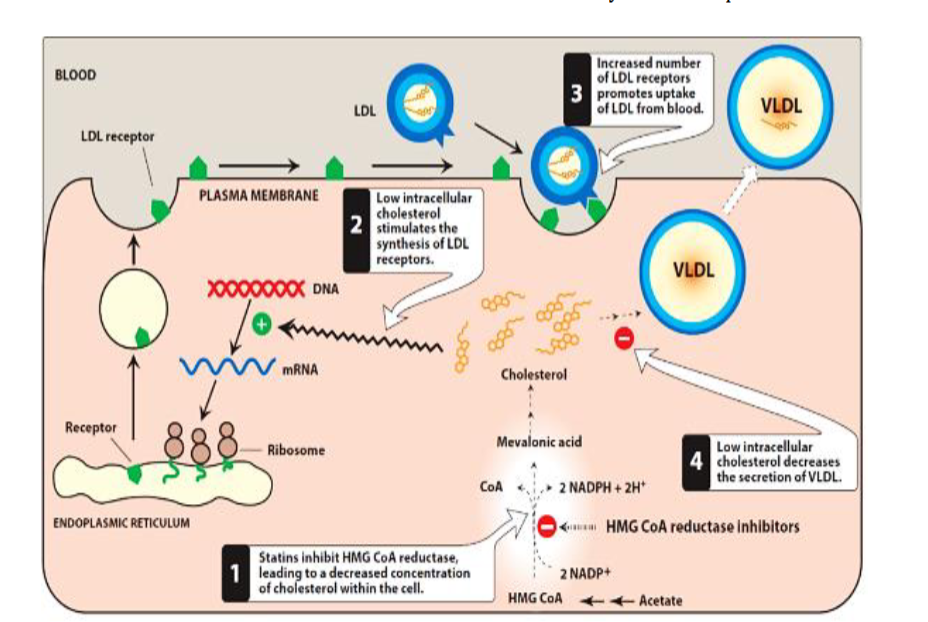
Background: Statins are HMG-CoA reductase inhibitors widely prescribed for lowering low-density lipoprotein cholesterol and triglycerides while increasing high-density lipoproteins. Beyond lipid regulation, statins exhibit pleiotropic effects that may contribute to cardiovascular and neuroprotective benefits.
Objective: To summarize the pleiotropic mechanisms of statins and their therapeutic relevance in cardiovascular and neurodegenerative diseases, while highlighting current research gaps.
Methods: Relevant evidence from experimental and clinical studies investigating the molecular, anti-inflammatory, antioxidant, endothelial, and neuroprotective effects of statins was reviewed and synthesized.
Results: Statins exert pleiotropic effects partly through inhibition of the Rac/ROCK signalling pathway, increasing endothelial nitric oxide production, reducing inflammation and oxidative stress, and improving vascular smooth muscle function. In cardiovascular disease, statins enhance vascular relaxation, promote angiogenesis, inhibit platelet aggregation, and reduce vascular inflammation, lowering the risk of stroke, heart failure, atherosclerosis, and atrial fibrillation. In neurodegenerative disorders including Alzheimer's disease, Parkinson's disease, Huntington's disease, and Multiple sclerosis, statins regulate cholesterol homeostasis, suppress neuroinflammation, reduce reactive oxygen species, and support neuronal survival. Improved endothelial function and cerebral blood flow further contribute to neuroprotection.
Conclusion: Statins possess pleiotropic properties beyond lipid lowering, offering therapeutic benefits in cardiovascular and neurodegenerative diseases. However, research gaps remain regarding dose-response relationships, underlying mechanisms, and translation of molecular effects into clinical outcomes.
Published
How to Cite
Issue
Section
Copyright (c) 2026 Authors

This work is licensed under a Creative Commons Attribution 4.0 International License.